Can you use a SAFE with an LLC? What founders should know
SAFE agreements are built for C-Corps, but can LLCs use them too? This guide breaks down the legal, tax, and investor risks of using SAFEs in LLCs and what founders in the U.S. and LATAM should know before raising capital.
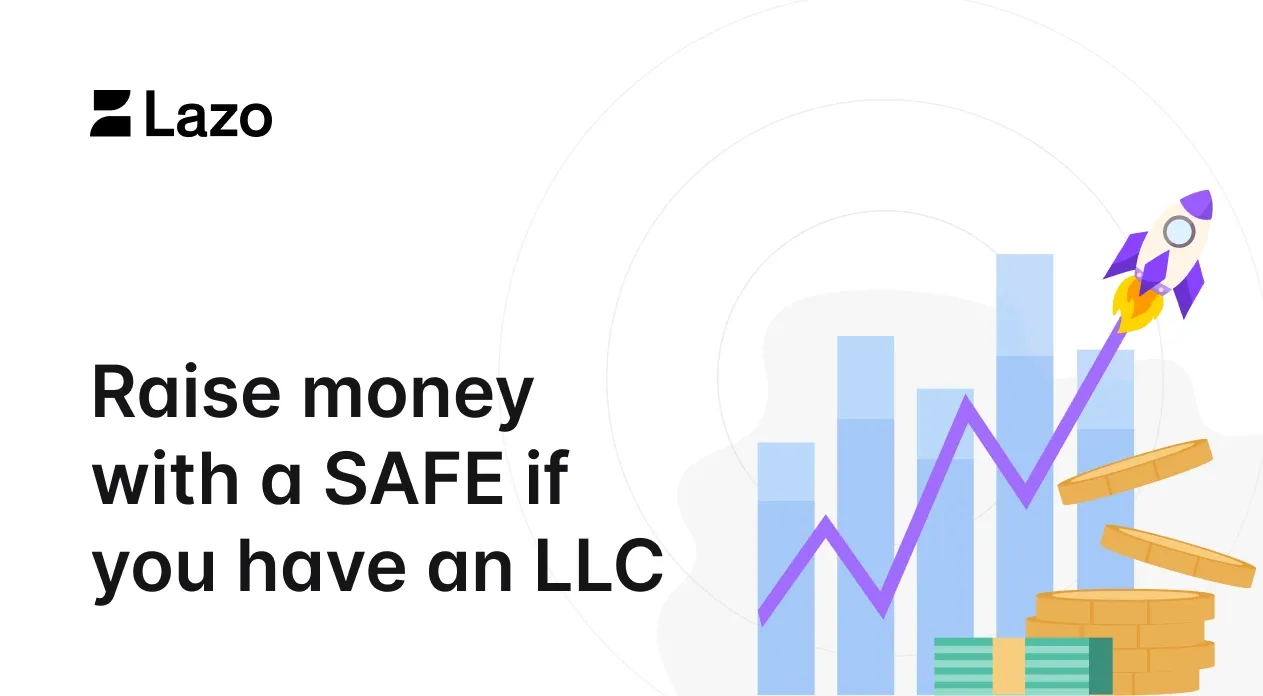
SAFE agreements (Simple Agreements for Future Equity) have long been a popular funding instrument among startups incorporated as C-Corporations. But what happens when a startup is formed as a Limited Liability Company (LLC)?
While it’s less common, some founders explore the idea of using SAFEs with LLCs. Before moving forward, it’s crucial to make sure your legal structure is set up correctly and aligned with U.S. tax requirements. If you’re at this stage, incorporating your LLC the right way and understanding its tax implications can save you from serious legal and financial headaches down the road.
⚖️ What is a SAFE, and why it was made for C-Corps
SAFE stands for Simple Agreement for Future Equity. It was created by Y Combinator to give startups a way to raise funds without issuing debt or valuing the company too early.
SAFE agreements:
- Are not loans and don’t carry interest or maturity dates
- Convert into preferred stock when a priced equity round happens
- Typically work best with Delaware C-Corps that issue shares of stock
But here’s the issue:LLCs don’t issue stock. They issue membership interests, which means traditional SAFEs can’t convert the way they’re intended.
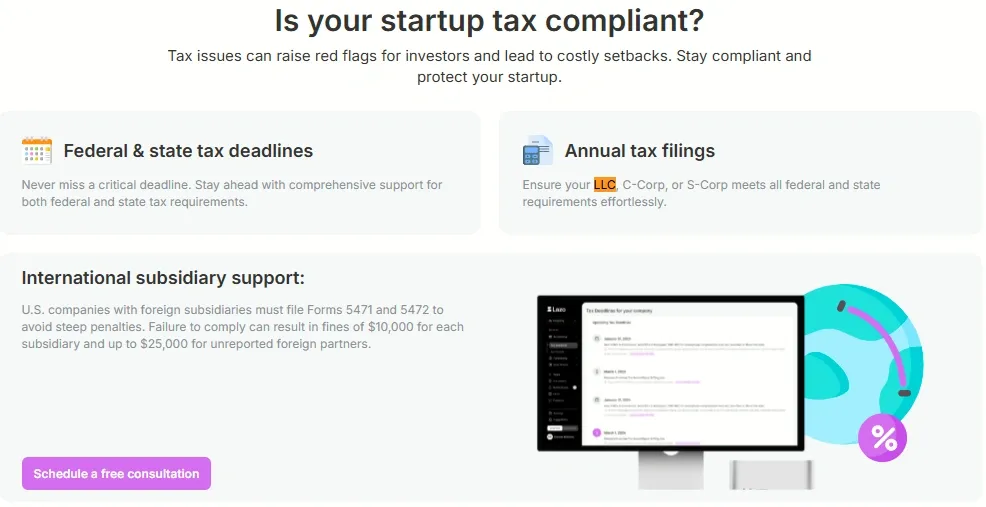
With Lazo, staying tax compliant is simple. Schedule a free consultation and get expert support to protect your startup from costly penalties.
🚧 Can an LLC use a SAFE? Yes, but it’s complicated
Some founders try to use SAFEs in LLCs by adapting the agreement language. While it’s legally possible, there are serious complications:
- There’s no “stock” to convert into, so you’d have to define equivalent rights (which introduces legal risk)
- Investors may be confused or cautious, especially if they’re unfamiliar with LLCs
- The SAFE may need to be completely restructured into something closer to a convertible note or profit interest agreement
In short: using a SAFE in an LLC often defeats the purpose of using a SAFE.
🧮 Tax complications for investors
Even if a SAFE is successfully issued by an LLC, investors face unique tax consequences:
- LLCs are pass-through entities, meaning investors may receive Schedule K-1s and owe taxes on the startup’s income, even before owning formal equity
- This can discourage investors, particularly U.S. VCs or institutional funds with strict compliance rules
- Many SAFE investors expect no tax reporting until the SAFE converts, which isn’t always true with LLCs
💡 VCs prefer C-Corps because they’re cleaner for equity, safer for exits, and more predictable for taxes.
🌎 What most LATAM founders do
Many startups in Latin America start as LLC equivalents(e.g. SAS in Colombia, SRL in Argentina) and then:
- Incorporate a Delaware C-Corp when they’re ready to raise money via SAFEs
- Keep the local entity to run operations and payroll
- Receive funding at the U.S. level and manage intercompany relationships with proper legal structure
This dual structure allows startups to stay lean locally while raising capital globally.
🧠 Alternatives to SAFEs for LLCs
If you’re not ready to become a C-Corp, here are some other options:
- Convertible Notes: Work better with LLCs and are more flexible on conversion terms
- Profit Interest Units: Can mimic equity upside for early investors
- Revenue-Based Financing: Ideal if you have consistent revenue and want to avoid dilution
Still, none of these are as VC-friendly or scalable as SAFEs in a C-Corp setup.
✅ How we helps founders get it right
We’ve helped hundreds of LATAM and U.S. founders structure their entities to raise capital the right way, whether that means converting from an LLC, setting up a C-Corp, or managing cross-border tax exposure.
Don’t let a poorly defined structure limit your ability to finance your startup. Incorporate your LLC with experts andkeep your taxes up to date with Lazo.
👉 Book a free consultation with our team and we’ll help you structure your capital raise with confidence.